The Art of Entering a Room Unforgettable, Commissioned to Be Remembered
Shannon Wells — Founder, Sydney
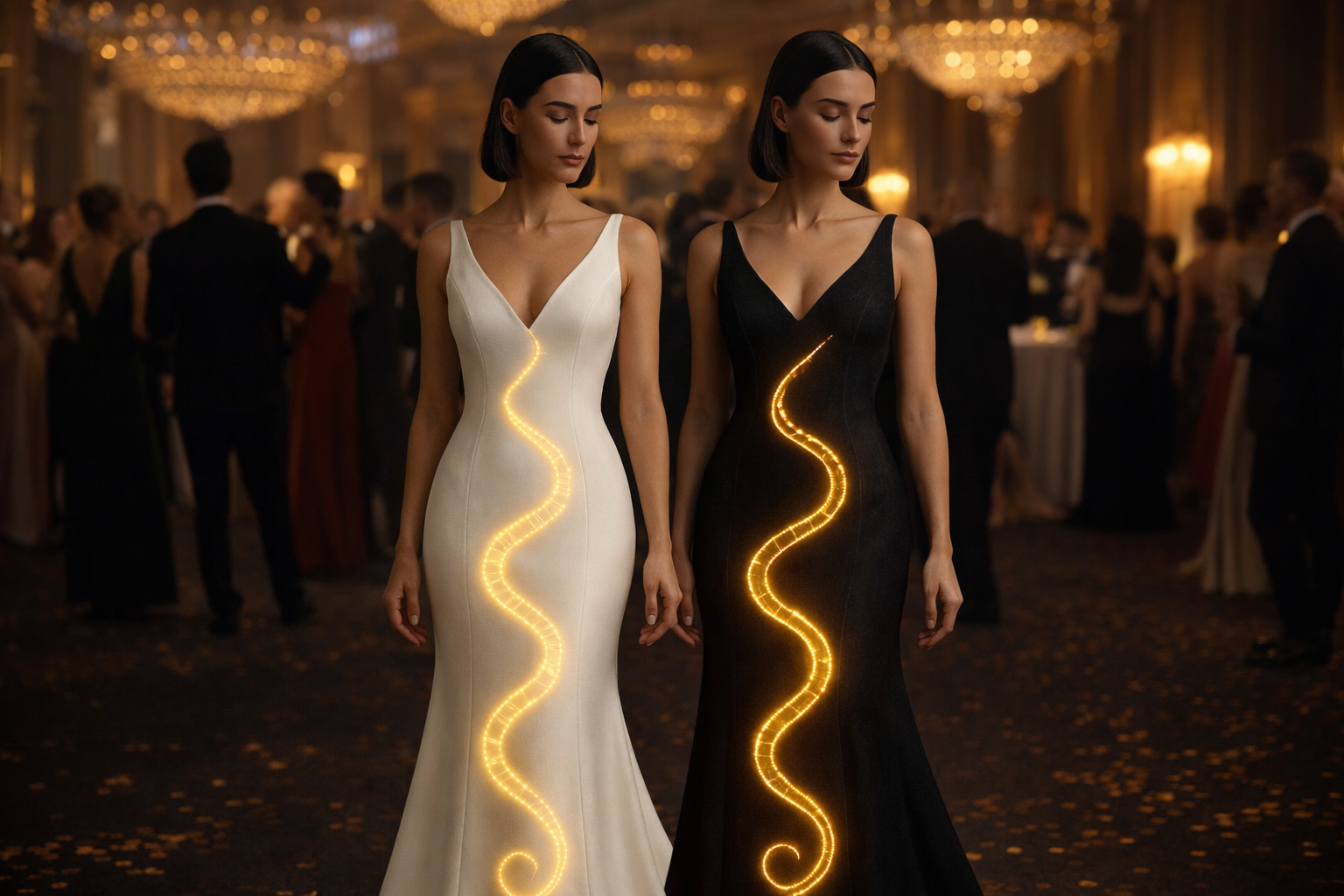
When illuminated presence enters a room, the atmosphere shifts.
Australia's first exclusive luminous Atelier collection
The House of Enlyten is founded in Sydney on a single conviction: light is not decoration. It is a material of couture.
A structural element. A medium of authorship. Until now, it has never been claimed within the language of luxury craft.
Each commissioned work is developed as a luminous textile composition, where hand-finished silk organza is interwoven with conductive embroidery and micro-architectural light pathways. Fiber optics are embedded as precision elements, terminating at the surface as controlled points of illumination.
Nothing is visible as mechanism. Only glow remains.
Every piece is constructed as a singular illuminated artwork. Registered within the House archive upon completion, it is delivered with provenance documentation and its unique illumination signature. Selected works are retained within the permanent Enlyten Archive, where they are never reproduced in identical form.
The House produces a strictly limited number of commissions each year, each one developed in dialogue with the collector as a private work of wearable light.
The House of Enlyten does not produce garments. It produces collectible illuminated presence.
The work is built to hold its weight in the room. To reorganise what happens in a space when it is present.
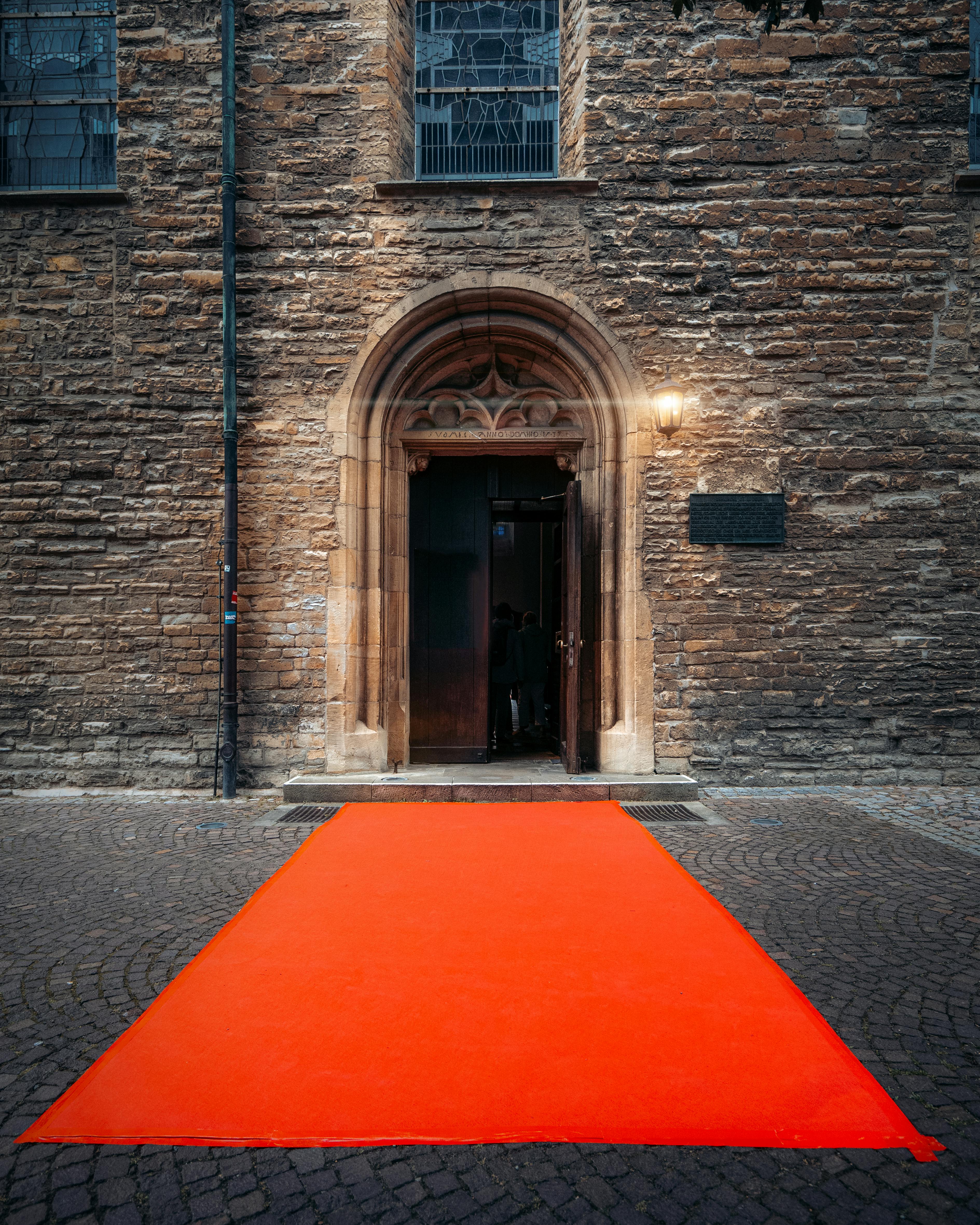
The room changes. Not the dress.
When an Enlyten piece illuminates, it introduces a condition into space that conventional fashion does not account for.
The garment itself remains unchanged. What shifts is the environment around it.
Ambient light adjusts instinctively. Attention collects without instruction. The edge of the room softens as perception reorients toward the source. The wearer has not altered their movement. They have not performed anything new. Yet the space behaves differently in their presence.
This is the intent of the House. Not the mirror. The room.
The room does not dim. It deepens.
A garment that is, in every structural sense, complete, and that becomes something else, only when the wearer chooses to reveal it.
Who commissions from the House
The collector does not shop. The collector commissions. The distinction is foundational.
A commission does not begin with an object. It begins with context: the room it will enter, the architecture it will meet, the atmosphere it will alter. The work is not designed in isolation but in relation to the space in which it becomes complete.
This is not adornment. It is spatial authorship.
Collectors are individuals for whom discretion and presence coexist without contradiction. Some are performing artists who require visibility that reaches beyond distance. Others are cultural patrons and institutional stewards who understand the work not as fashion, but as intervention. Some commissions are held privately as part of a family archive, intended to outlast a single lifetime and return across generations.
The House works privately with collectors, performers, and institutions commissioning luminous works that exist outside conventional luxury systems.
The collector does not ask what the garment looks like. The collector asks what the room becomes in its presence.

No work is produced without a commission. No commission begins without a conversation.
How a work comes into existence
The process is deliberate in its slowness, private in its conduct, and exact in its execution.
Private Consultation
The collector defines the conditions in which the work will live: the occasion, the architectural setting, the ambient light environment, and the emotional density it is intended to hold. This is not a fitting. It is a brief for presence.
Design and Calibration
Luminous composition is mapped to the specific environment the work will enter. Colour temperature, spatial luminosity, and movement response are calibrated against the intended setting. Custom silk organza, diffusion layering, and conductive embroidery are specified in response to the brief. Light behaviour is designed as structure, not effect. At this stage, the work is assigned its archive identity and begins to take formal shape within the House registry.
Fabrication
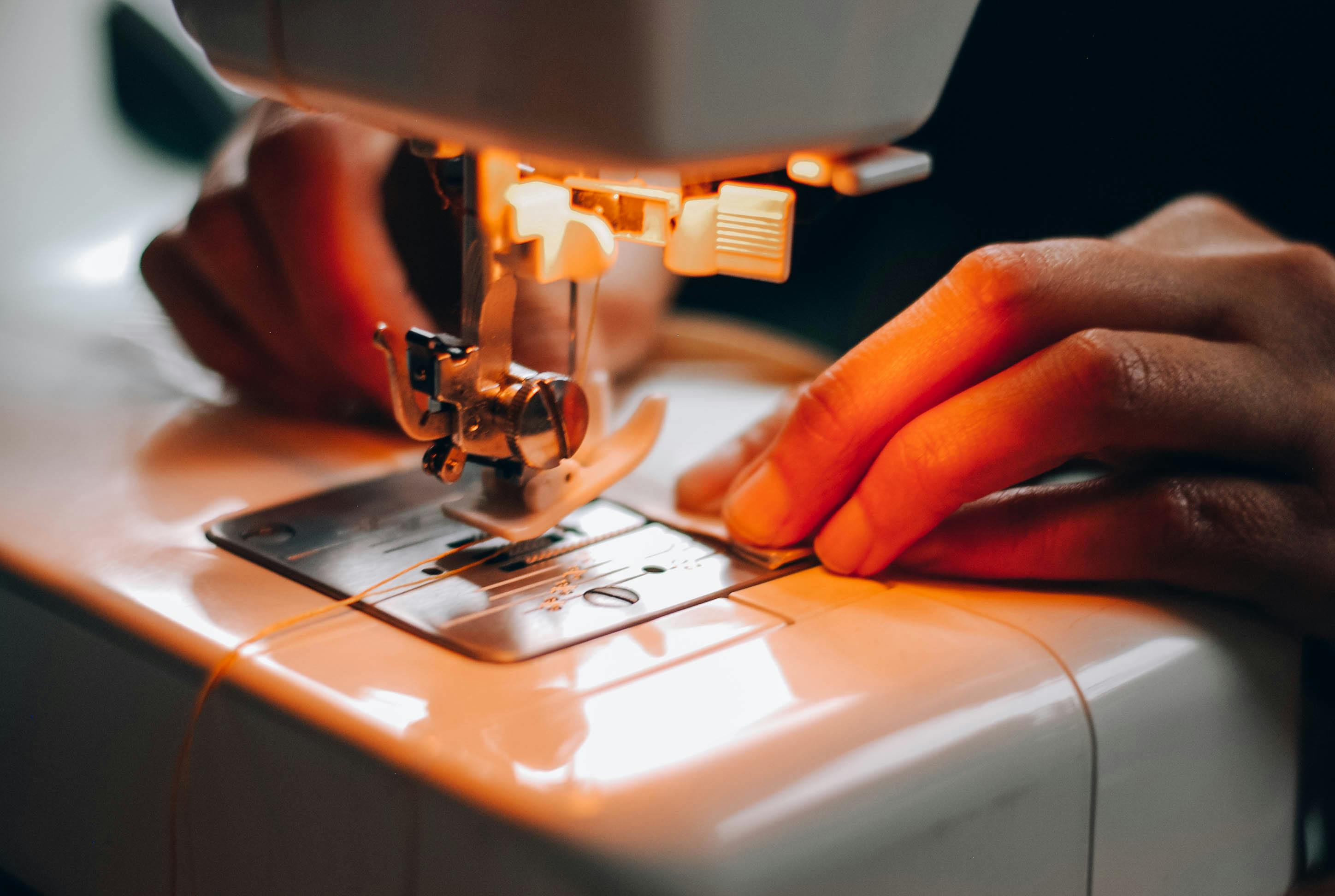
The work is constructed in the Sydney atelier. Conductive embroidery, fibre-optic integration, and hand-finishing are executed by a single coordinated artisan team. No outsourcing. No external production. No industrial replication. Each layer is resolved by hand until the piece stabilises as a unified luminous system.
Private Delivery
The completed work is presented to the collector in a private viewing. Museum-grade storage and archival presentation accompany the piece, along with its illumination signature and provenance documentation. The work is formally registered into the House archive as a singular commission. It is now in your possession, and it exists only in this form.
Commission
Each work is priced individually at the scope of the commission. The House accepts a limited number of commissions annually.
The House accepts commissions not only in response to the collector, but in response to the cultural moment the work is intended to enter. Each piece is developed as a singular luminous work, calibrated to wearer and environment. No design is reproduced in identical form. Selected works may enter the Enlyten Archive; once entered, they are never recreated.
Sealed invitation. Private consultation. Atelier unveiling.
First Commission
Insitu. July 30.
The debut work enters its environment.
It will not be described in advance.
The Archive
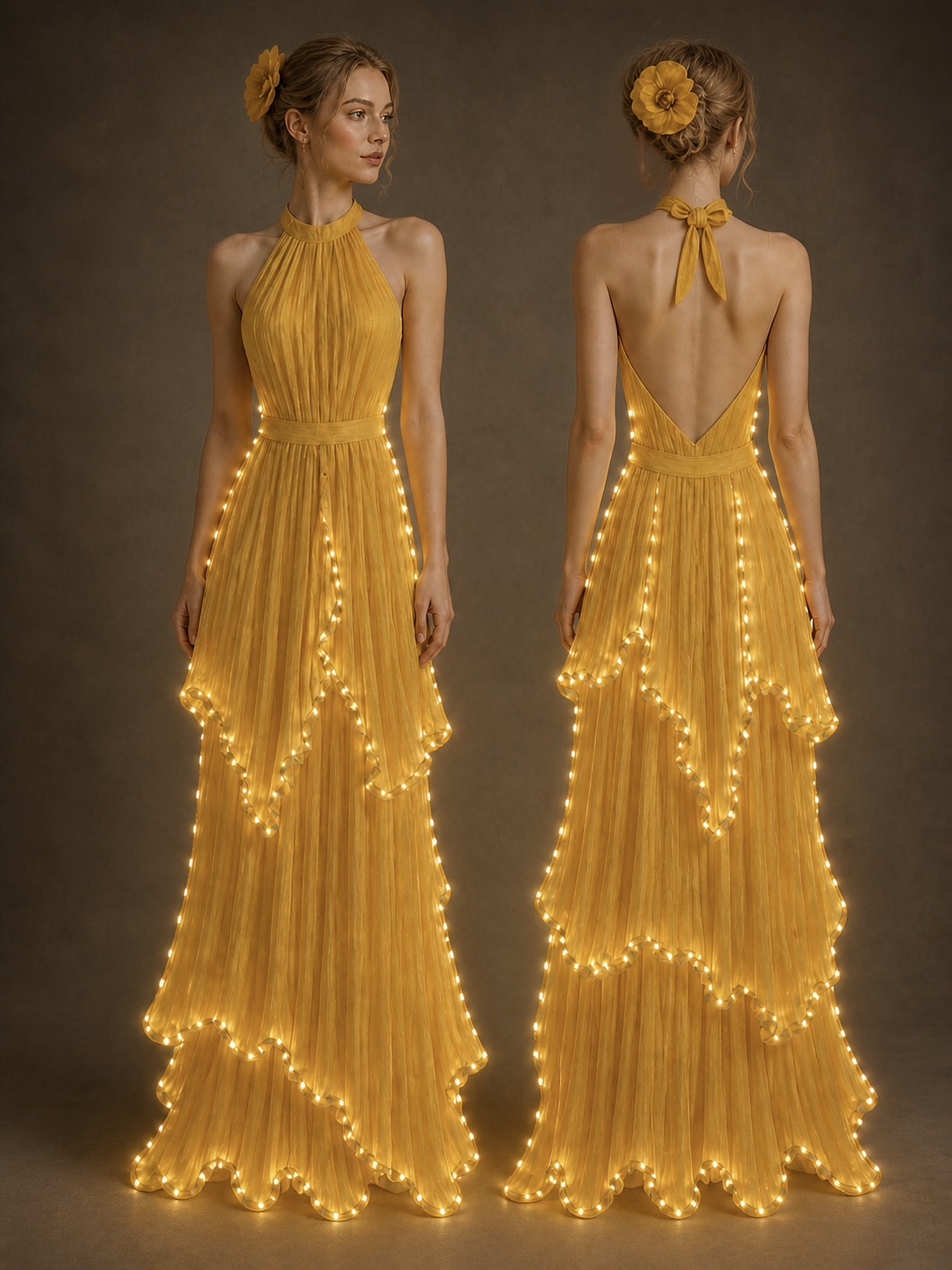
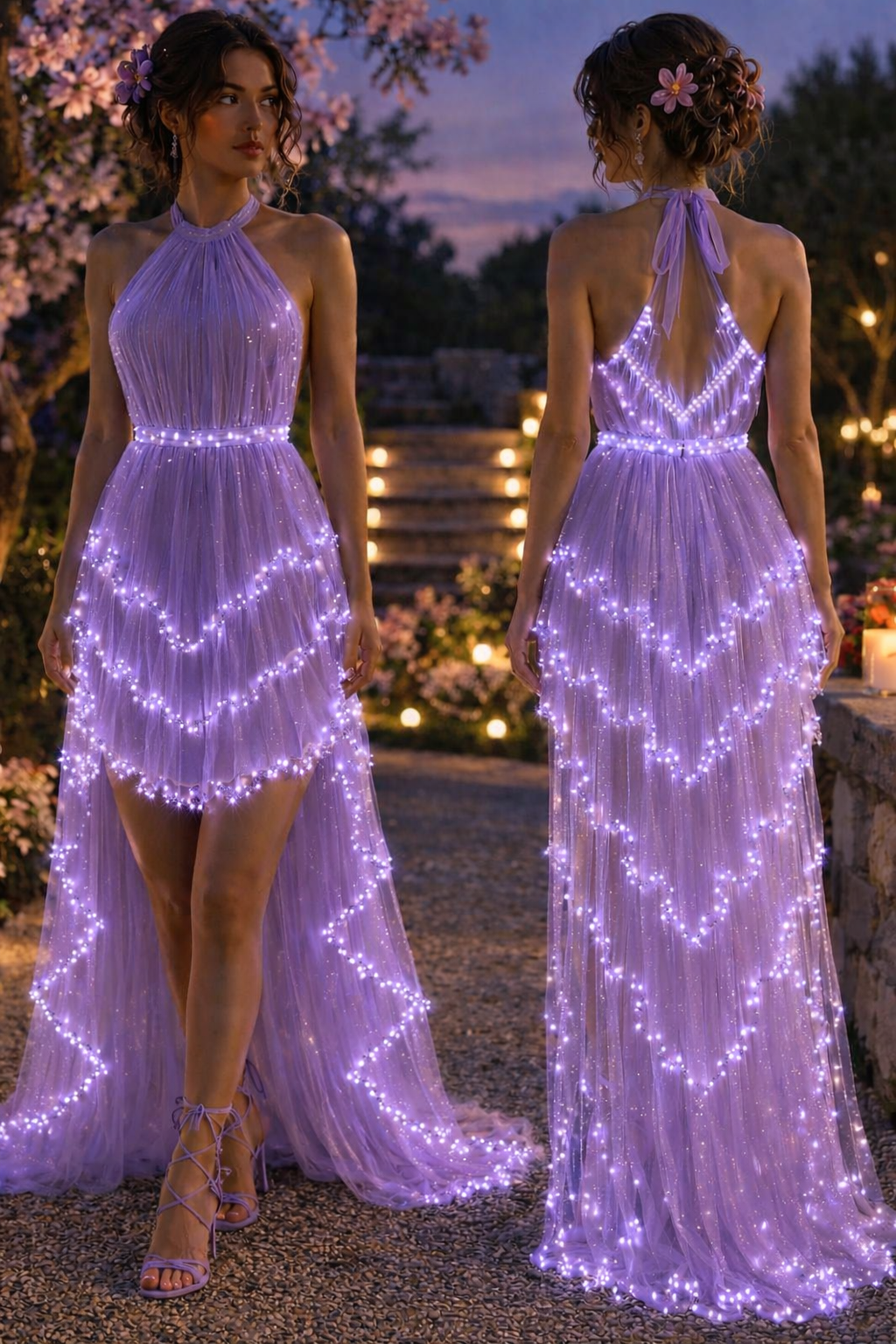
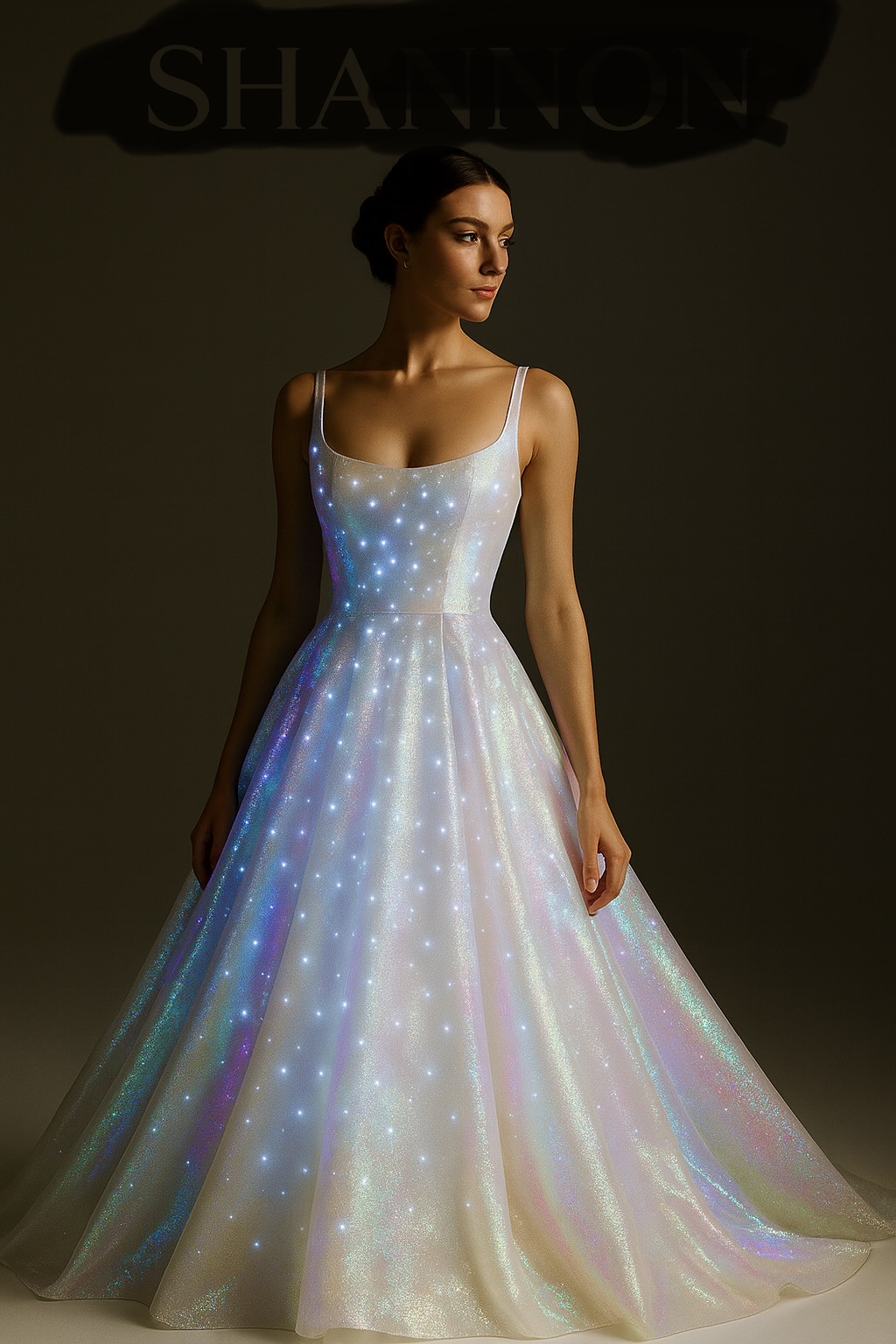
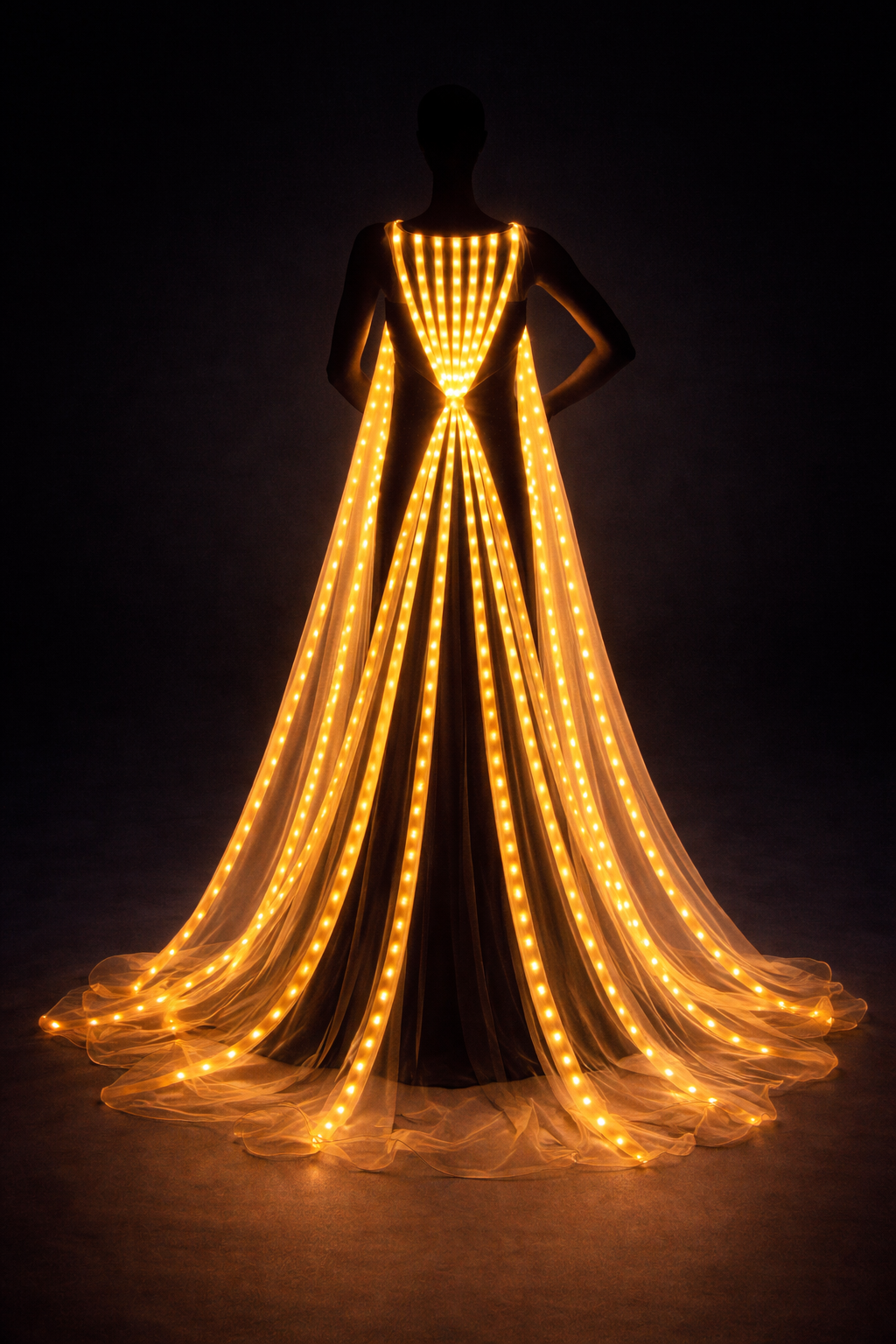
All commissions begin through private consultation.
Availability is intentionally limited. The House accepts commissions not only in response to the collector, but in relation to the cultural context the work is intended to enter.
Each commission is priced individually at the scope of the work — determined by luminous architecture, material composition, and environmental calibration.
Works may range from intimate luminous couture pieces to expanded collector commissions intended for institutional settings, performance contexts, or long-term archival preservation.
The House produces a strictly limited number of commissions each year.
Private ConsultationThe House of Enlyten does not produce garments. It produces collectible illuminated presence.